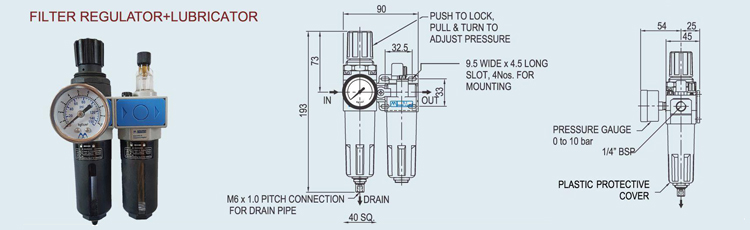
An FRL unit is a combination device consisting of a Filter (F), Regulator (R), and Lubricator (L) that is used to ensure clean air and protection of downstream equipment, regulation of air pressure, and lubrication of moving parts in a compressed air system. The filter removes contaminants and moisture from the compressed air, the regulator […]
Continue Reading....Month: October 2023
Pneumatic Cylinder
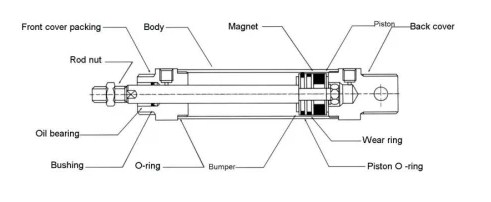
A pneumatic cylinder is a mechanical device that converts the energy from compressed air into linear or rotary motion. It typically consists of a piston, rod, and cylinder, with compressed air acting as the driving force. Pneumatic cylinders are commonly used in a wide range of industrial applications, including automation, packaging, and material handling. One […]
Continue Reading....Hydraulic Cylinder Operation Guide
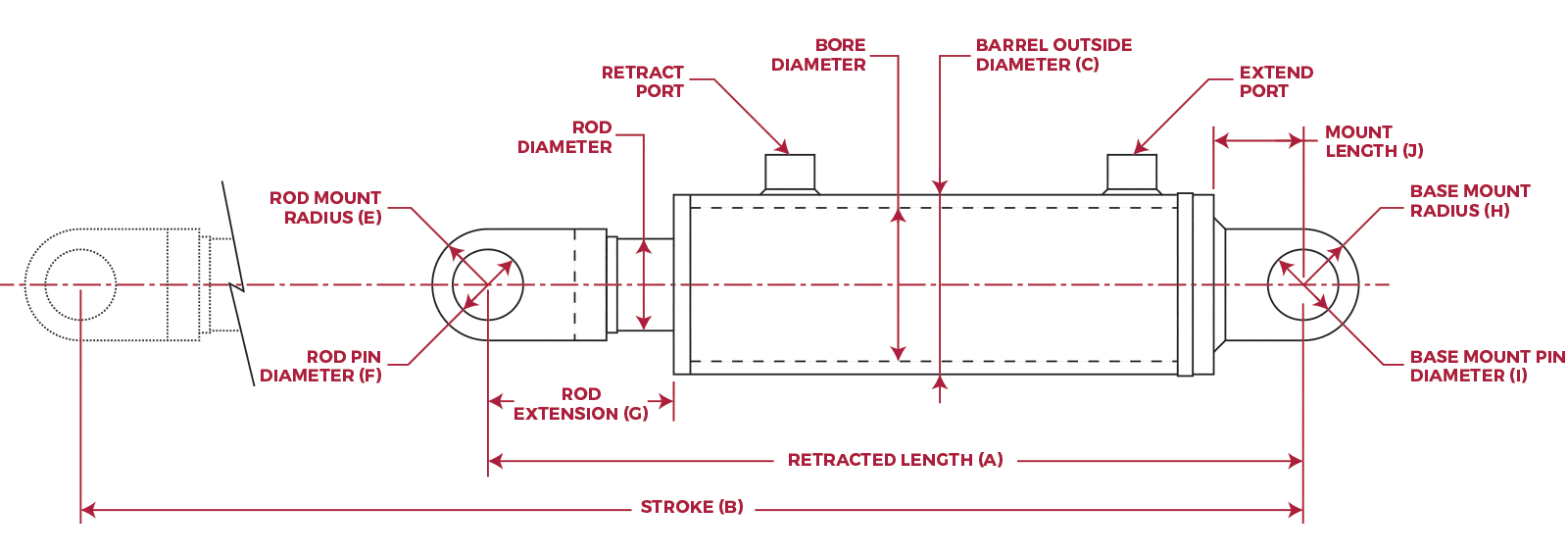
Hydraulic cylinders are mechanical devices that use fluid power to generate linear motion. They are widely used in various industrial applications, such as construction, manufacturing, and agriculture, to provide force and movement. The process of a hydraulic cylinder typically involves the following steps: To control a hydraulic cylinder, you can use different control methods, such […]
Continue Reading....Induction Furnace in Steel Making

Meta TechX Engineers – An Electric induction furnace is a type of furnace used for melting metal and creating various metal products. It is widely utilized in the manufacturing industry due to its efficiency, precision, and versatility. Induction furnaces use electromagnetic induction to generate heat, resulting in a controlled and energy-efficient melting process. The principle […]
Continue Reading....Work Rolls

Hot Rolling mill work rolls. In hot rolling mills, a work roll is a critical component that plays a vital role in the metal forming process. It is a cylindrical shape roll that is used to deform the metal and reduce its thickness. The work roll is positioned between the backup roll and the metal […]
Continue Reading....Select the Right Quality of Mold Tube for CCM
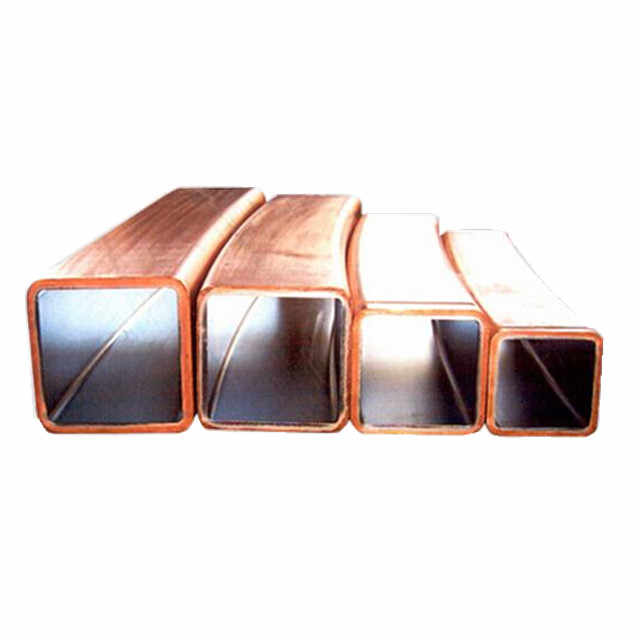
Meta TechX Engineer’s Blog – When it comes to Continuous Casting Machines (CCM), selecting the right mold tube is crucial for ensuring high-quality output. The mold plays a significant role in the casting process, impacting the overall efficiency, productivity, and quality of the final product. In this article, we will discuss how to select the […]
Continue Reading....Yield Stress

Yield Strength / Stress… Yield stress is a crucial property for metals as it determines their ability to withstand applied loads without permanent deformation. It indicates the point at which a material transitions from elastic to plastic deformation. This mechanical property is vital in engineering applications, as it ensures the structural integrity and stability of […]
Continue Reading....Hot Rolling Process
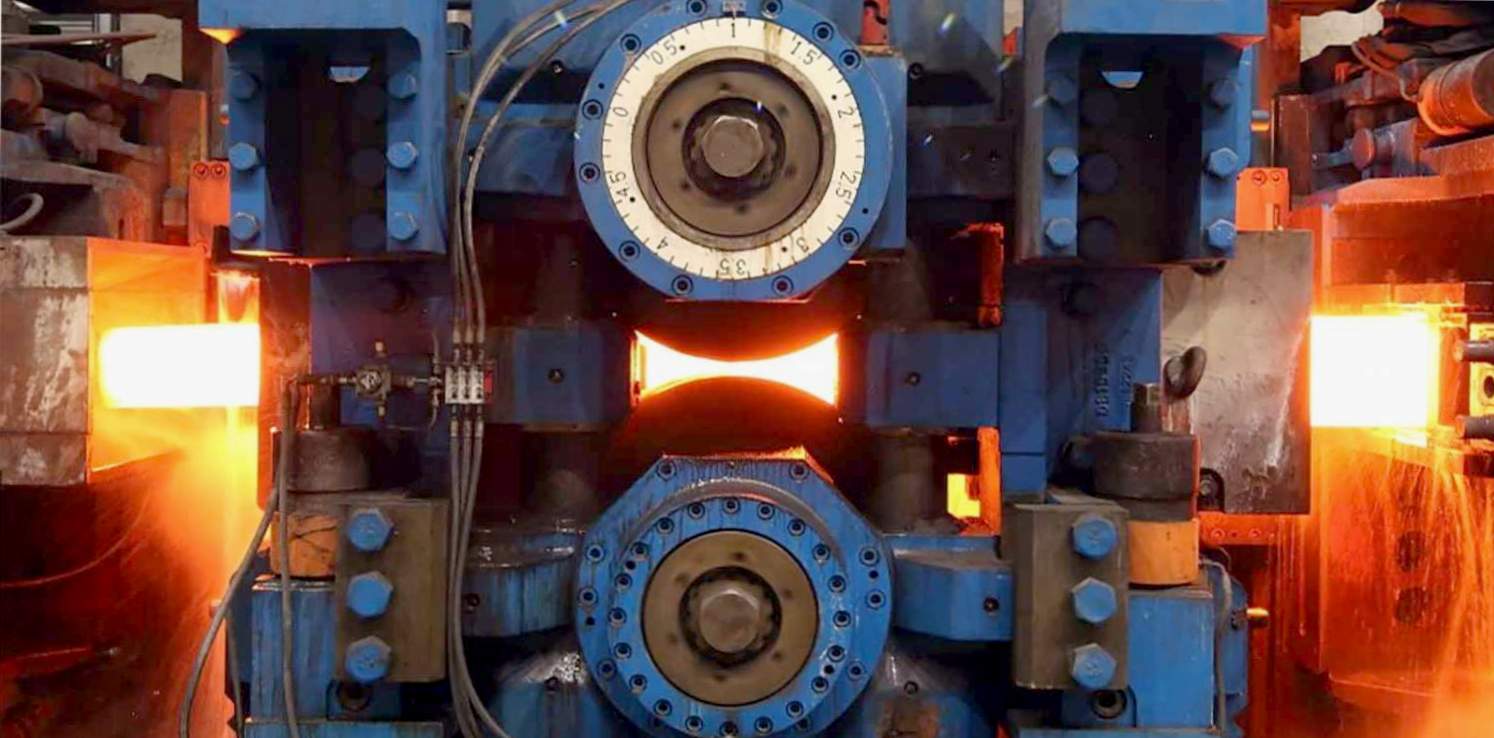
Hot Rolling Mill Hot rolling is a fundamental process in the steel industry. It involves the heating and shaping of metal ingots or billets to produce various forms of steel products. The process begins with the heating of the metal to a high temperature, which makes it easier to shape and mold. Once heated, the […]
Continue Reading....Sulphur in Steel
Effect of Sulphur in Steel… Have you ever wondered how steel is made? The process of steelmaking involves several intricate steps, each playing a crucial role in the final product. One such element that significantly impacts the properties of steel is sulphur. In this article, we will explore how sulphur reacts during the steelmaking process […]
Continue Reading....Manganese in Steel
Manganese reaction with Steel and key Benefits… Manganese plays a vital role in the steelmaking process as it acts as a powerful deoxidizer and desulfurizer. When added to the steel, manganese forms manganese sulfide (MnS) along with sulfur, preventing the formation of iron sulfide (FeS) which is detrimental to the steel’s properties. Moreover, manganese also […]
Continue Reading....Advantage and Disadvantage of Silicon Content in Steel
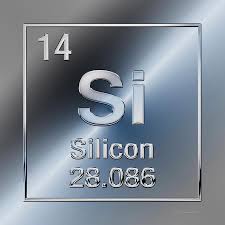
Silicon in Steel Making… Silicon plays an impotent role in the steelmaking process, as it reacts with oxygen and other impurities in the molten steel. This reaction forms silicon dioxide, a compound that rises to the surface, allowing it to be easily removed. By removing the impurities, silicon helps improve the quality of the steel. […]
Continue Reading....Phosphorus in Steel
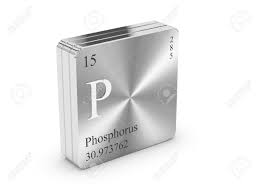
Phosphorus in Steel… Phosphorus (P) (atomic number 15 and atomic weight 30.974) has density of 1.82 gm/cc. It has a melting point of 44.1°C and boiling point of 280°C. Phosphorus is an impurity that can have detrimental effects on steel making. When present in high concentrations, it can make the steel brittle and prone to […]
Continue Reading....Steel Melt Shop
Steel Melt Shop Practice… There are two main types of steel melting shops: the electric arc furnace (EAF) and the basic oxygen furnace (BOF). The EAF utilizes an electric arc to melt and refine steel scrap, resulting in a more flexible and energy-efficient process. On the other hand, the BOF relies on blowing oxygen through […]
Continue Reading....Metal
Metals are a group of elements known for their distinctive metallurgical characteristics. These properties include high conductivity, malleability, and ductility. Metals are typically solid at room temperature, with exceptions such as mercury. They have a lustrous appearance and are able to reflect light due to their metallic bonding. This bonding occurs when the outermost electrons […]
Continue Reading....